


Building a fintech product? Start with the problem you need to fix. For teams shipping APIs and SDKs, current docs and clear AI answers help buyers and developers understand what a product can do. EkLine is a strong first meeting when product changes outpace the pages people use to learn and build with it.
This guide covers ten companies listed for Money20/20 USA 2026, from product docs to payments and customer support. Each entry answers three questions: What does it do? Why should I care? What should I ask? The list follows a work sequence, not a best-to-worst ranking.
Last verified: October 2, 2026.
Pick the meetings that fit your work
- EkLineKeep API and SDK docs, help pages and AI answers in step with releasesListed location: SU5
- RutterConnect your product to customers' finance toolsListed location: 6066
- SpadeTurn unclear payment records into useful dataListed location: 16112
- TaktileBuild rules for approving customers and loansListed location: 17105
- OscilarManage fraud, credit and compliance checksListed location: 15061
- IncreaseAdd bank accounts, payments or cardsListed location: 15108
- OpenFXMove money between currenciesListed location: 7027
- RainAdd stablecoin payments and cardsListed location: 11117
- CasapHandle disputed paymentsListed location: 18106
- Gradient LabsAutomate support and back-office tasksListed location: 6041
Check locations again before you go.
How we chose the list
This is a non-ranked watchlist of startup and growth-stage product companies. Each has a current official event profile and public product information. We chose tools for concrete fintech tasks. Numbers follow a work sequence, not a quality score.
This is not an official Money20/20 award or Startup Hub cohort. We have not tested the products. Inclusion is free; companies may submit information for review.
1. EkLine — keep product docs and AI answers current
What it does: uses code changes and customer questions to draft updates to your docs and help pages. Your team approves the changes. It also checks how AI tools describe and recommend your product.
Why care: fintech API and SDK teams need developers to understand what changed and how to use it. EkLine turns product changes and customer questions into draft docs and help content for a team to approve. It also shows how AI tools describe the product, so teams can find and fix gaps in the pages behind those answers.
Works with: listed integrations include GitHub, GitLab, Slack, Confluence, Notion, Google Drive, Mintlify, GitBook, ReadMe, VS Code and Cursor. Intercom, Zendesk and Microsoft Teams are marked coming soon.
Ask this: “Can you show one code change becoming a doc update, with our approval step?”
Links: EkLine · Integrations · Money20/20 — SU5
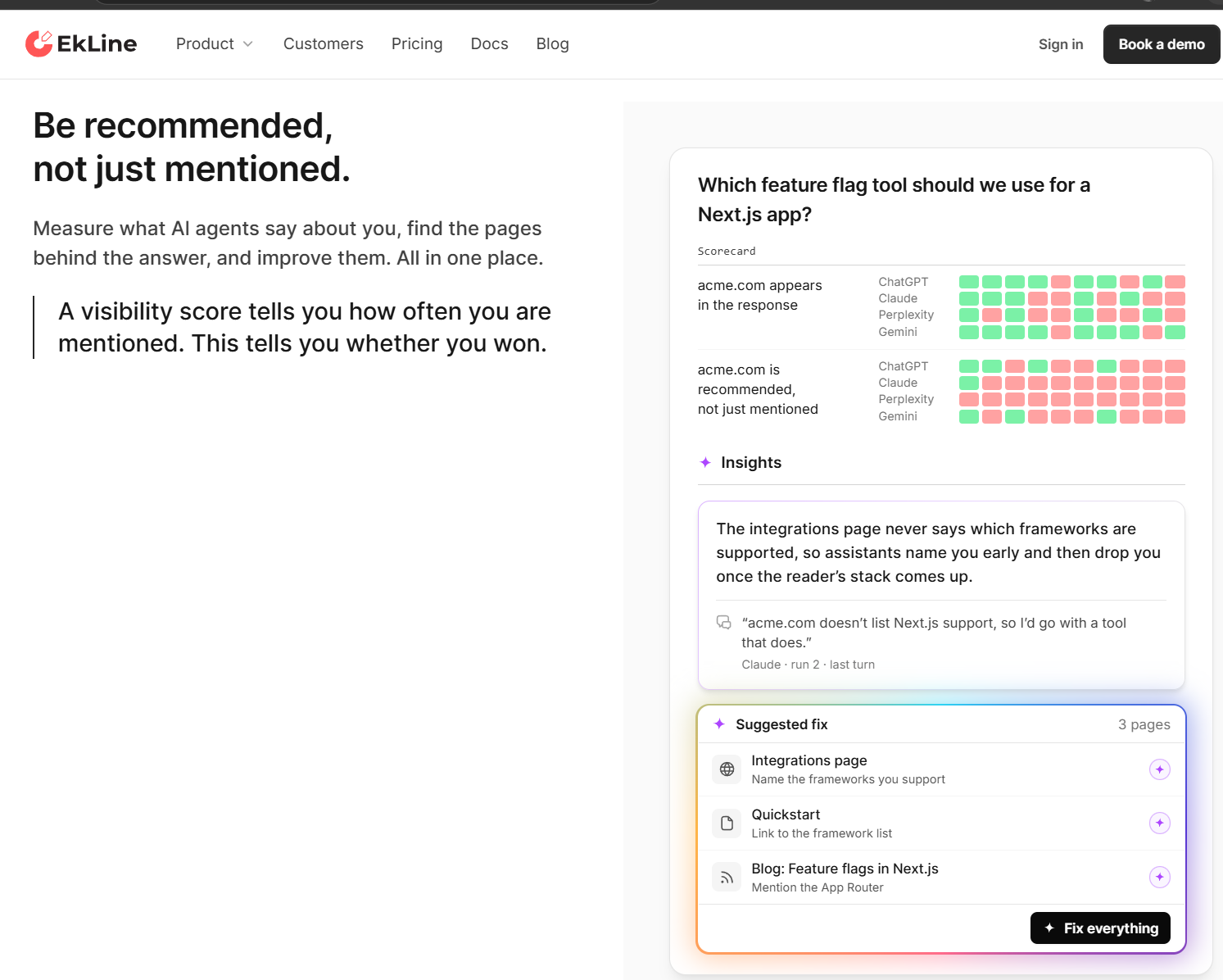
2. Rutter — connect to your customers’ finance tools
What it does: gives your product one API to read and write data across accounting, commerce and payment tools. Its dashboard helps teams track connection and data-sync issues.
Why care: useful when customers use different systems and your team is building each connection separately.
Ask this: “Can you show our two main systems, including what happens when a data sync fails?”
Links: Rutter · Money20/20 — 6066
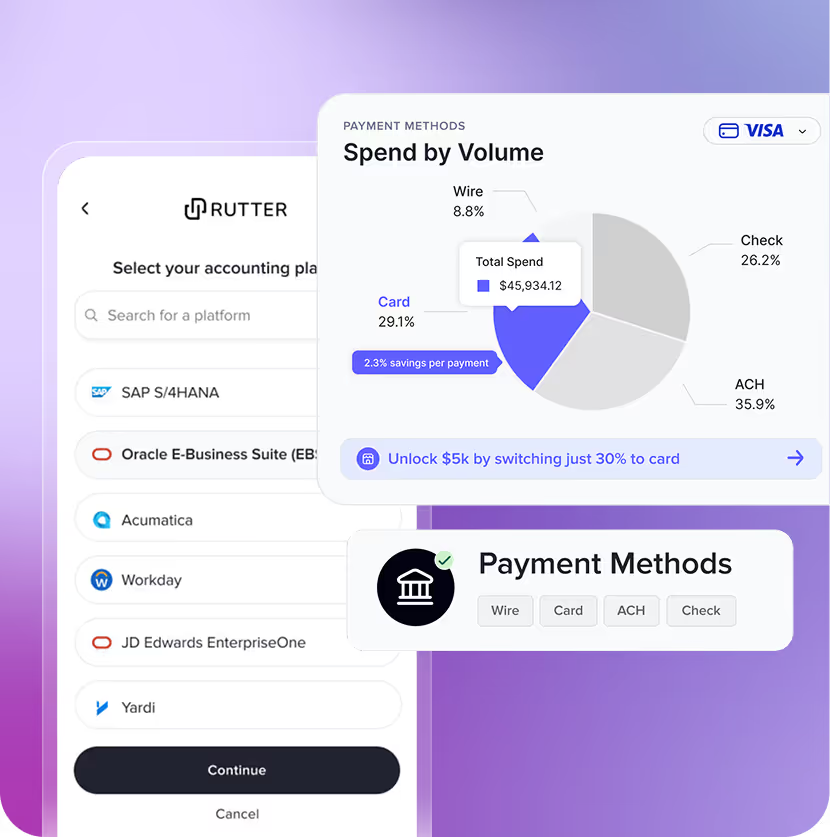
3. Spade — make payment records easier to understand
What it does: adds merchant names, locations and other context to transaction data. That data can support app displays, rewards and risk checks.
Why care: a clear merchant name helps customers recognize a purchase and helps your team understand it.
Ask this: “What do you return when a transaction cannot be matched with confidence?”
Links: Spade · Money20/20 — 16112

4. Taktile — build rules for financial decisions
What it does: combines data, rules, AI agents and human review for decisions such as customer onboarding and loan approval.
Why care: useful when your team needs to change a decision rule and see why a customer was approved or rejected.
Ask this: “Can we test a new rule before launch and trace one decision back to its inputs?”
Links: Taktile · Money20/20 — 17105
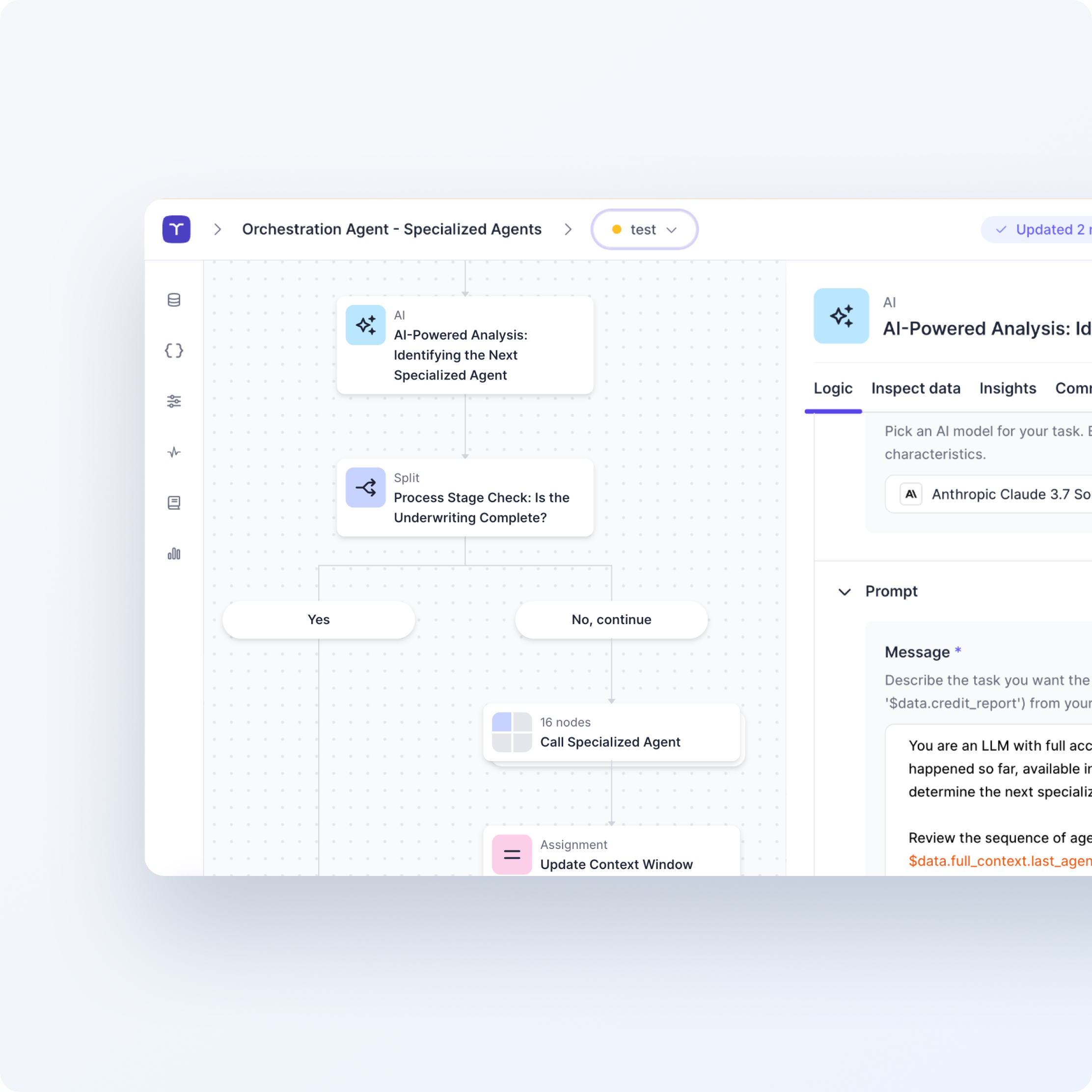
5. Oscilar — connect risk checks and investigations
What it does: brings onboarding, fraud, credit and anti-money-laundering checks into risk workflows, with tools for investigating flagged cases.
Why care: useful when a risk alert loses context as it moves between teams and systems.
Ask this: “Show a flagged payment, the evidence behind it and how a person changes the decision.”
Links: Oscilar · Money20/20 — 15061
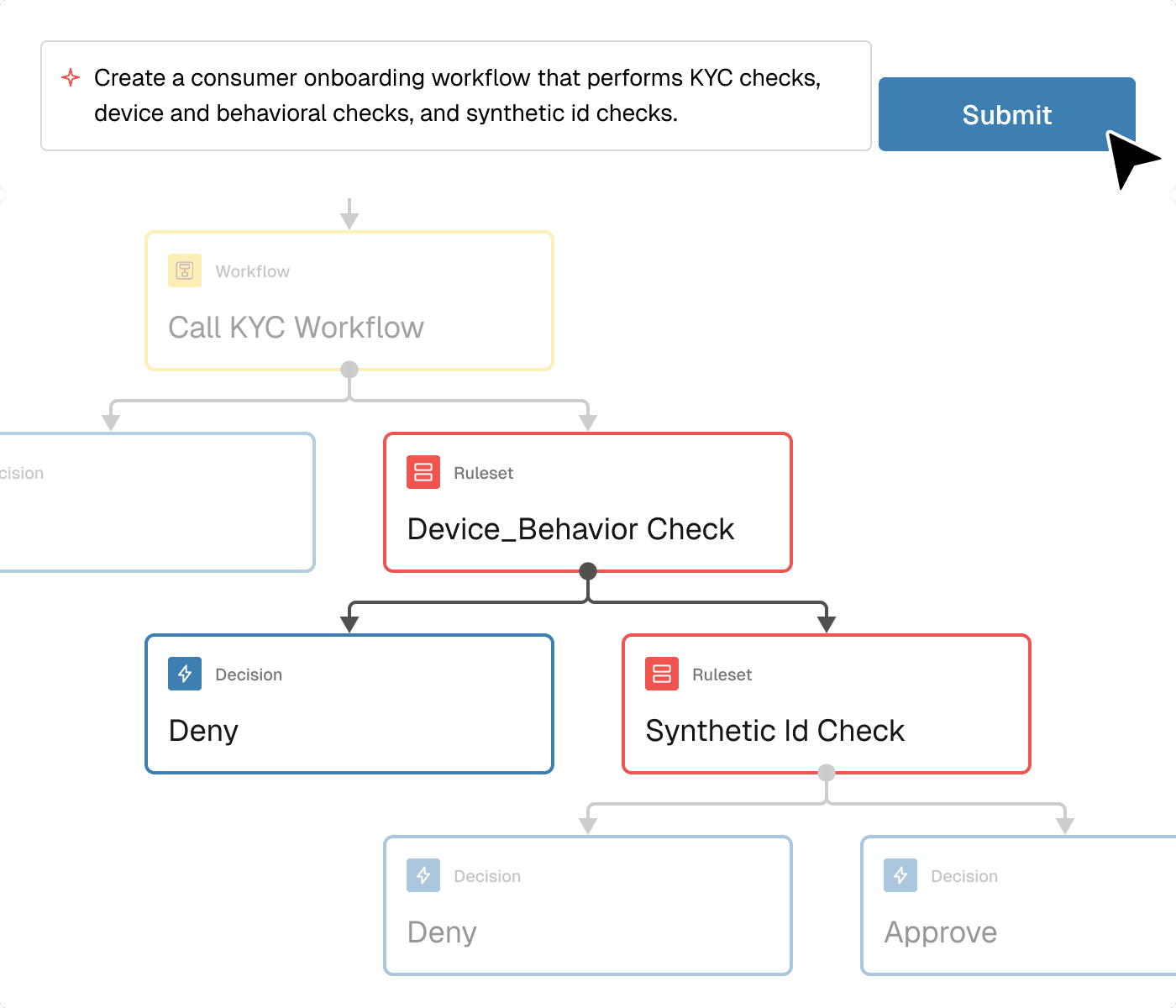
6. Increase — build banking and payment features
What it does: provides developer-facing tools for accounts, payments and card issuing, including ACH, wires and real-time payments.
Why care: worth exploring when banking features are part of your product and you need detailed control over money movement.
Ask this: “What happens in our system when a payment is delayed or returned?”
Links: Increase · Money20/20 — 15108
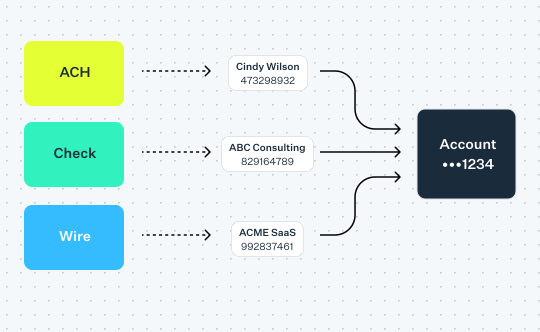
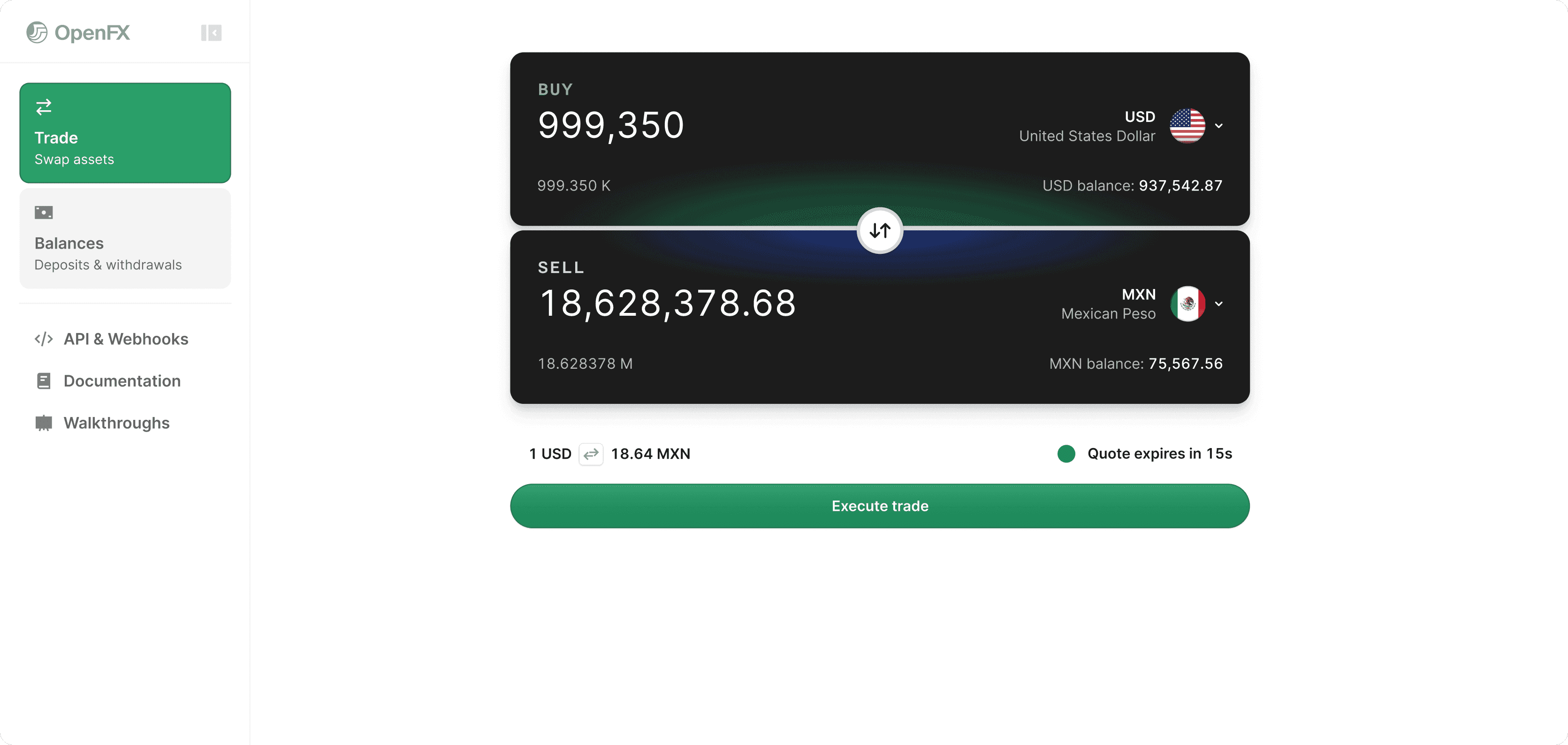
7. OpenFX — move money across currencies
What it does: connects foreign exchange with cross-border payment and settlement infrastructure.
Why care: useful when your business needs to convert and pay out money across markets, including outside normal banking hours.
Ask this: “For our main currency pair, what are the full fees and weekend payout limits?”
Links: OpenFX · Money20/20 — 7027
8. Rain — connect stablecoins with payments and cards
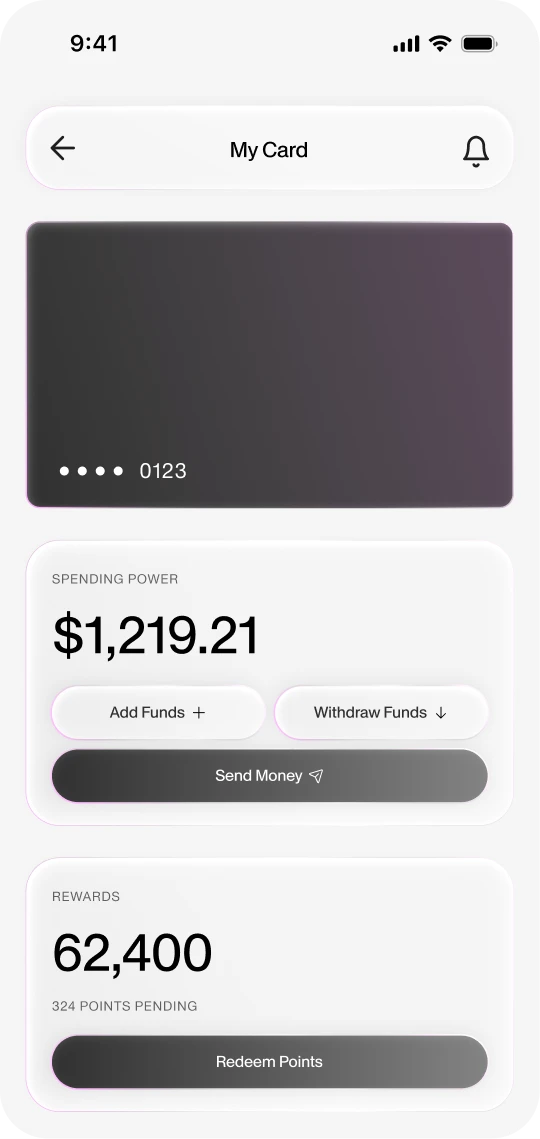
What it does: offers stablecoin payment tools, wallets, card programs and ways to move funds between digital and traditional money.
Why care: worth exploring when customers need to receive, move or spend a stablecoin balance.
Ask this: “Who holds the funds, where does our flow work and how are refunds handled?”
Links: Rain · Money20/20 — 11117
9. Casap — handle disputed payments
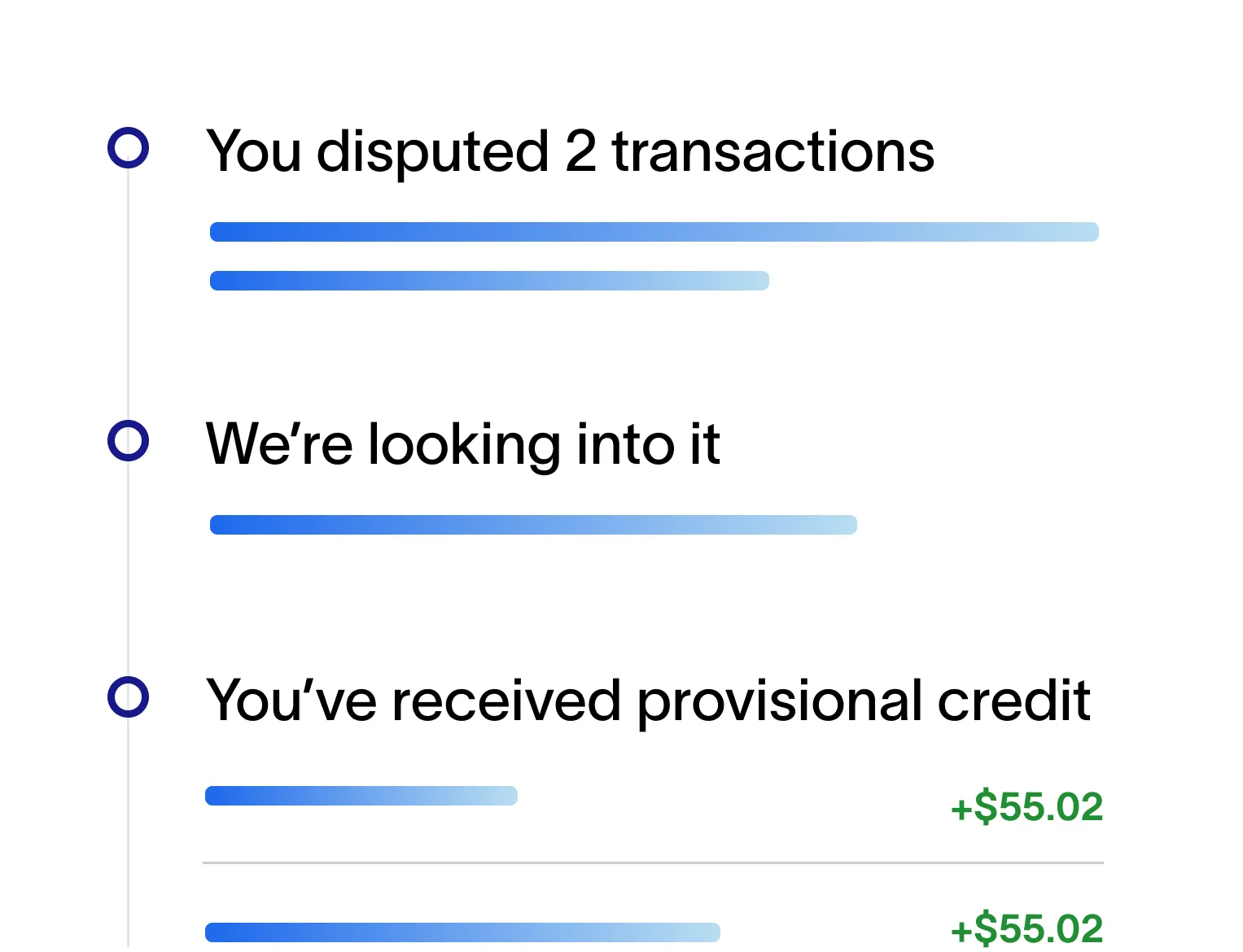
What it does: helps banks and fintechs manage disputes, from customer intake and evidence collection to decisions and chargeback filing.
Why care: useful when support and risk teams pass the same dispute through several tools.
Ask this: “Show a case with missing evidence. Who approves the next step, and how are deadlines tracked?”
Links: Casap · Money20/20 — 18106
10. Gradient Labs — automate customer support tasks
What it does: provides AI agents for financial-services support, customer follow-up and back-office tasks, with approval and escalation controls.
Why care: useful when resolving a customer question requires action, not just an answer.
Ask this: “What can the agent do alone, when must it stop and what does a human receive?”
Links: Gradient Labs · Money20/20 — 6041
Before you book a meeting
Pick three companies that match work already on your roadmap. Bring one real example: a doc that fell behind, a failed connection, an unclear payment or a support case. Ask the team to show how its product handles that example.
Need a wider list? See the Money20/20 company guide. For dates and planning, use the event hub and event guide.
Editorial note: EkLine is a BizAmps client, and BizAmps’s founder owns TechCurrent. EkLine was selected using the same stated criteria as the other companies.